
26
2024
-
12
What should be noted during the transportation of IBC tanks?
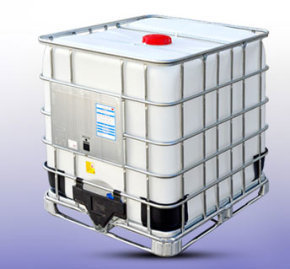
IBC tank As a commonly used container for liquid storage and transportation, it is widely applied in various industries such as chemicals, food, and pharmaceuticals. Due to its large loading capacity and frequent use, safety issues during transportation are particularly important. This article will discuss in detail the various aspects that need to be considered when transporting IBC tanks to ensure the safety and stability of the transportation process.
First, the method of securing is the primary focus when transporting IBC tanks. The IBC tanks must be securely fastened to the transport vehicle to avoid movement or tipping during transportation. Common methods of securing include using fastening bolts, straps, support frames, etc., with specific choices depending on the model and size of the IBC tanks. When selecting a transport vehicle, the size and weight of the IBC tanks should also be considered to ensure that the vehicle can carry and transport it stably. The correctness of the securing method directly relates to transportation safety, so it must be taken seriously.
Secondly, transportation speed is also an important factor affecting transportation safety. The speed should be appropriate to avoid excessive inertial force damaging the IBC tanks. Especially on bumpy roads, excessive speed can exacerbate vibrations and impacts on the IBC tanks, potentially leading to damage or leakage. Therefore, it is generally recommended to drive on smooth roads at speeds not exceeding 20 kilometers per hour. Transport personnel should closely monitor road conditions and weather situations, adjusting transportation speed in a timely manner to ensure safety.
The choice of road is equally important. Flat and solid roads should be selected for transportation to avoid damage to the IBC tanks due to uneven or bumpy roads. When passing through bridges, culverts, and other roads, it is necessary to check first.IBC tanks Whether they meet relevant load requirements to avoid accidents caused by overweight or size discrepancies. In addition, transportation routes should be planned in advance to avoid busy traffic or complex road conditions, reducing transportation risks.
The stacking method of IBC tanks during transportation is also crucial. Generally speaking, IBC tanks should be placed vertically and stacked stably to avoid tilting or sliding. The stacking height should not exceed the specified limit to prevent excessive pressure from causing deformation or rupture at the bottom. If two layers of IBC tanks are loaded, standard cushioning materials should be placed in the container or compartment and secured tightly. This can effectively prevent mutual collisions and compression of IBC tanks during transportation, protecting their integrity.
Sunshade and rain protection measures are also essential considerations during transportation. IBC tanks should avoid prolonged exposure to sunlight or rainwater to prevent damage from these elements. During transportation, covers or waterproof cloths should be used to shield the IBC tanks, ensuring they are not affected by harsh weather conditions. Special attention should be paid to sun protection in hot weather to prevent exposure of the barrel body and its contents from causing temperature increases and pressure rises, which could lead to safety incidents.
Clear labeling is an indispensable part of the transportation process. The name of the container, manufacturer, production date, expiration date, and other information should be clearly marked on the IBC tanks. This information helps transport personnel and recipients better understand and manage IBC tanks, ensuring compliance and safety during transportation and storage processes. Additionally, before packing, it should be ensured that the labeling on the IBC tanks is clear and legible for easy management and tracking during transportation.
The safety awareness of transport personnel is also key to ensuring transportation safety. Transport personnel should have safety awareness and understand the characteristics, usage methods, and precautions related to IBC tank. During transportation, they should closely monitor road conditions and weather situations, timely adjusting transport speed while being cautious of pedestrians and other vehicles. At the same time, transport personnel should master basic emergency handling skills so that they can quickly take necessary emergency measures in case of emergencies to protect the IBC tanks from damage and safely transfer them to a secure area as soon as possible.
The above are IBC tank the points that need attention during transportation; hope this helps you.
transportation of ibc tanks,ibc tanks transport,ibc tank transport
Next page
CONTACT US
-
Address: No. 5, Torch Avenue, Sino- Europe Industrial Park of Hebei Province, (Zhongjie Huanghua City)
-
Subsidiary Company Address :Workshop 10, Zhongjie Industrial Venture Base, Zhongjie High-Tech Zone, Huanghua, Cangzhou, Hebei Province, China
Tel:400-057-0080
Email:shijiheng@czssjh.com
Tel:0317-5601506
-
Copyright © Hebei Shijiheng Plastics Co.,Ltd.
LINK
-
► About us
► Products
► Partner
► News
► Contact us
PRODUCTS


