
21
2026
-
10
Stainless Steel IBC Totes: Grades, Sanitary Construction and Lifecycle Value
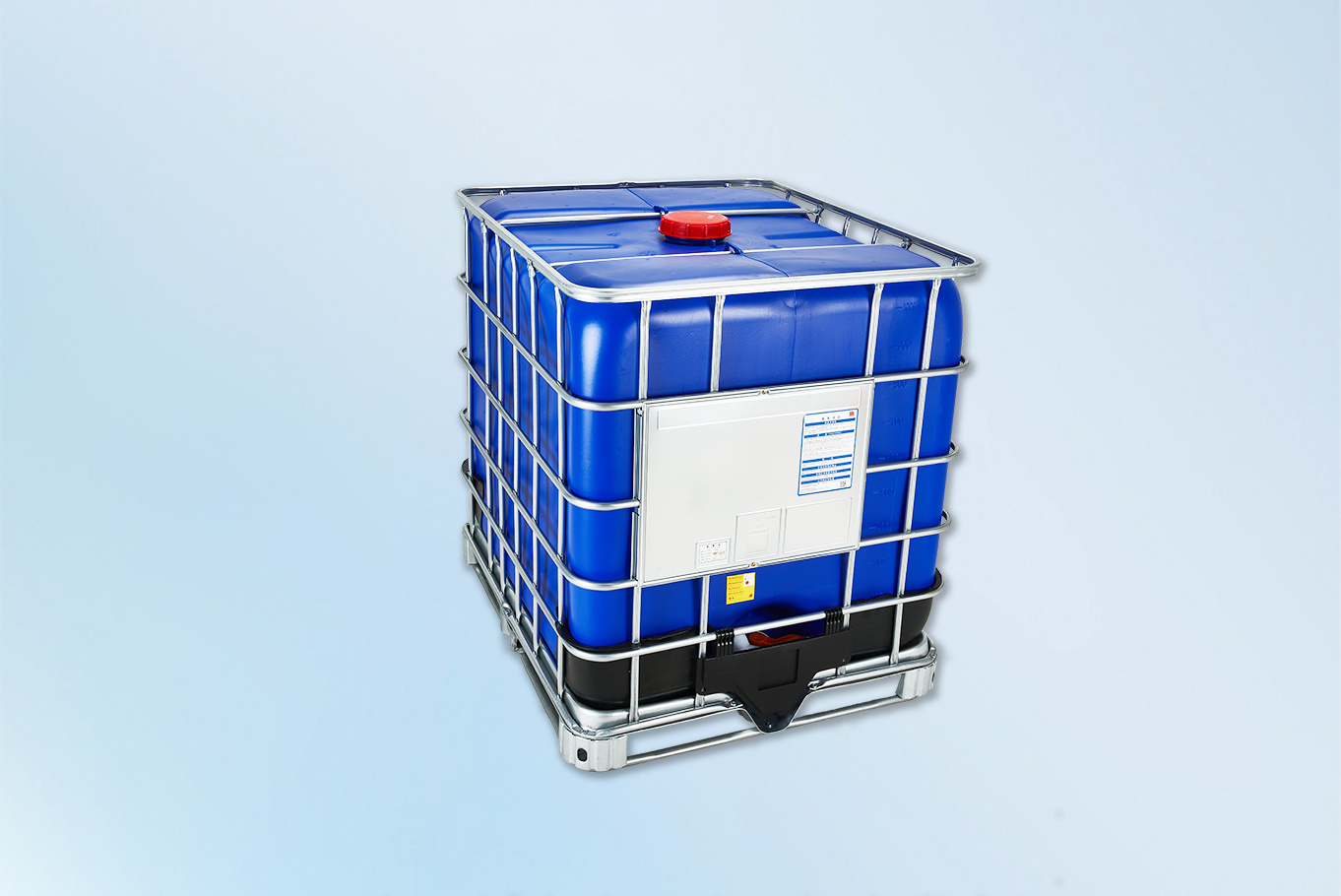
A stainless steel IBC tote is an all-welded intermediate bulk container built from food- or pharmaceutical-grade stainless sheet, replacing the plastic liner of a composite tote with a rigid metal shell. Where HDPE units serve general-purpose, low-cost bulk storage, stainless steel IBC totes are engineered for contents that demand purity, heat tolerance, aggressive sanitization, or extreme chemical resistance — and for operations that amortize the higher purchase price across dozens or hundreds of reuse cycles. This guide focuses on the metal-specific decisions that define a steel tote: alloy grade selection, sanitary finish standards, welded construction, clean-in-place compatibility, certification, and long-term return on investment.
Why Buy Stainless Steel Instead of HDPE
Stainless steel competes on four properties plastic cannot match:
Full Sterilizability
A welded stainless shell tolerates live steam, hot sanitizing solution, and autoclave-style treatment without softening, absorbing residues, or degrading. This makes it the only practical IBC material for products that require validated microbial control between batches.
High-Temperature and Pressure Tolerance
HDPE softens above roughly 60°C; stainless steel totes routinely handle hot fills up to 150°C and optional ASME-rated pressure or vacuum conditions for reactive, heated, or degassing products.
Unlimited Reuse Cycles
A properly maintained stainless steel IBC tote lasts 100–300 fill cycles over 10–20+ years, versus 10–20 cycles for HDPE liners. The vessel becomes a permanent asset rather than a consumable package.
Chemical Inertness Across Aggressive Fluids
Stainless resists acids, chlorides (in 316L grade), solvents, and oxidizers that attack or permeate plain polyethylene, opening applications HDPE cannot safely cover.
304 vs. 316L: Choosing the Alloy Grade
The single most important specification on a stainless steel IBC tote is the alloy grade, and two grades dominate the market.
表格
| Criterion | 304 Stainless Steel (18/8) | 316L Stainless Steel (18/10 + Mo) |
|---|---|---|
| Core composition | ~18% chromium, ~8% nickel | ~16–18% Cr, ~10% Ni, 2–3% molybdenum |
| Best for | Water-based foods, dairy, edible oils, mild chemicals, syrups, beer/wort | Acids, chlorides, salt brines, pharma APIs, marine/exterior exposure, aggressive sanitizers |
| Corrosion resistance | Good in neutral/mild environments | Superior pitting and chloride resistance |
| Sanitary use | Standard food and beverage grade | Preferred pharmaceutical and high-purity grade |
| Relative cost | Lower | ~30–50% higher material cost |
| Typical finish | #4 brushed or electropolished | #4 brushed, electropolished, or mirror |
The "L" in 316L denotes low carbon content (≤0.03%), which prevents carbide precipitation during welding — the #1 cause of intergranular corrosion along weld seams. For any vessel that will be welded and repeatedly sanitized, low-carbon 316L removes the most common failure mode at the weld zone.
Sanitary Welded Construction Details
A stainless steel IBC tote is a pressure-style vessel rather than a cage-wrapped liner, and its construction quality determines both cleanability and service life.
Continuous Orbital Welds
High-grade totes use orbital TIG welding for circumferential and longitudinal seams, producing smooth, uniform weld beads without porosity, crevices, or overlaps where residue and bacteria can harbor. Poorly welded tanks show discolored spatter, gaps, or rough beads at seams — failures that will never pass sanitary inspection.
Interior Surface Finish (Ra)
Interior roughness, measured in micrometers Ra, directly affects cleanability:
- Ra ≤ 0.8 µm (32 µin): Standard food-grade sanitary finish, polishable and CIP-accessible.
- Ra ≤ 0.5 µm (20 µin): Pharmaceutical and cosmetic-grade finish, easier to flush clean and less prone to biofilm.
- Electropolished (Ra ≤ 0.4 µm): Highest purity option for sterile and high-value API handling; the electro-chemical leveling process removes microscopic peaks that mechanical polishing leaves behind.
Sanitary Seals and Connections
Food-grade totes use EPDM, silicone, or PTFE gaskets — never generic rubber — and tri-clamp (sanitary flange) fittings on manways, inlet ports, and discharge valves instead of threaded connections, which trap residue in threads. Butterfly or diaphragm valves provide full-bore, drain-down flow without dead legs.
Structural Frame and Lifting
The shell sits in an integral stainless or galvanized steel frame with forklift pockets and top lifting lugs rated for full gross weight. Because steel totes weigh 150–260 kg empty, lifting and stacking hardware must be welded and load-certified rather than bolted on.
Specialized Stainless Tote Configurations
Beyond the standard single-wall vessel, buyers specify purpose-built variants:
- Jacketed stainless totes: A double-wall shell with a steam or hot-water circulation jacket maintains product temperature for waxes, resins, chocolate, or viscous concentrates that solidify on cooling.
- Insulated totes: Foam or mineral-wool insulation between walls stabilizes temperature for cold-chain pharma and dairy products during transport.
- Dished / sloped-bottom totes: A fully sloped or dished bottom drains completely without residue pooling, a requirement for CIP validation and high-value product recovery.
- Agitated totes: Optional top-mounted slow mixer keeps suspensions, creams, and emulsions uniform between fills.
- Vacuum/pressure-rated totes: ASME-code-built shells for degassing, reactive, or pressurized contents.
Certifications and Compliance Markings
Verify these markings on the datasheet; size alone does not certify the tote for your sector:
- FDA 21 CFR 177.2600 / EC 1935/2004: Direct food-contact compliance for stainless surfaces and gaskets.
- 3-A Sanitary Standards: The gold-standard food and dairy equipment certification covering finish, welds, and cleanable design.
- cGMP / GMP-aligned construction: For pharmaceutical use, with material traceability, weld logs, and documentation packages for regulatory audits.
- UN certification (31A/Y): Required when the tote carries hazardous goods by road or sea in a welded metal IBC.
- ASME BPVC / PED: For pressure-jacketed or pressurized vessels, depending on destination market.
Lifecycle Cost: Why Steel Wins on Per-Cycle Basis
The purchase price of a stainless steel tote is typically 5–10× that of an HDPE composite unit, but the comparison must run on cost per usable cycle:
- HDPE: ~10–20 cycles before liner failure; liner and packaging cost recur every cycle.
- Stainless: 100–300 cycles over 10–20 years; cleaning, gasket replacement, and occasional polish are the only recurring costs.
- Add avoided product loss from full drain-down, eliminated liner leaching risk, and fewer contamination-driven batch rejects, and stainless reaches cost parity within 3–5 years for high-turnover operations.
Maintenance and Passivation Practice
Stainless resists corrosion because a self-healing chromium oxide film forms on the surface; maintenance preserves that film rather than repairing rust:
- Passivate after fabrication or repair: A nitric or citric acid treatment removes free iron and rebuilds the protective oxide layer, typically required once on receipt and after any welding repair.
- Avoid chloride buildup: Rinse brine, salt, and sanitizer residues promptly; prolonged chloride contact causes pitting even in 316L.
- Replace gaskets on schedule: EPDM/silicone seals degrade independently of the shell; stock spares and log replacement dates.
- Clean CIP per validated protocol: Document flow rate, temperature, and contact time for each product changeover; keep records for 3-A or GMP audits.
- Inspect welds annually: Check seams and valve junctions for discoloration or crevice corrosion; repassivate small spots before they spread.
Selecting a Stainless Steel IBC Tote: Decision Checklist
- Pick alloy first: 304 for mild food/water-based products; 316L for acids, chlorides, pharma, or exterior exposure.
- Match interior Ra finish to your sector: 0.8 µm food, 0.5 µm pharma, electropolish for sterile APIs.
- Confirm sanitary fittings: tri-clamp ports, food-grade gaskets, dead-leg-free discharge.
- Request certification package: 3-A/FDA, GMP documentation, UN or ASME rating where applicable.
- Evaluate lifecycle volume: only justify steel when annual turnover reaches enough cycles to outpace HDPE per-cycle cost.
- Plan support: local passivation, gasket spares, and welding repair access before purchase.
Conclusion
A stainless steel IBC tote is a long-cycle capital asset, not a disposable package: its 304 or 316L welded shell, sanitary polished finish, and CIP-ready design serve the food, dairy, cosmetic, and pharmaceutical applications where purity and validated cleaning matter more than upfront price. Choose 304 for standard food service, step up to 316L for chlorides, acids, and sterile production, and run the per-cycle cost comparison rather than comparing ticket prices. With proper passivation and gasket maintenance, a well-specified steel tote pays back its premium over decades of reliable, contamination-free bulk handling.
316l stainless steel ibc tote,304 stainless steel ibc,stainless steel ibc tote,sanitary stainless ibc tote,jacketed stainless steel ibc,stainless ibc tote cip cleanable
last page
CONTACT US
-
Address: No. 5, Torch Avenue, Sino- Europe Industrial Park of Hebei Province, (Zhongjie Huanghua City)
-
Subsidiary Company Address :Workshop 10, Zhongjie Industrial Venture Base, Zhongjie High-Tech Zone, Huanghua, Cangzhou, Hebei Province, China
Tel:400-057-0080
Email:shijiheng@czssjh.com
Tel:0317-5601506
-
Copyright © Hebei Shijiheng Plastics Co.,Ltd.
LINK
-
► About us
► Products
► Partner
► News
► Contact us
PRODUCTS


