
21
2025
-
02
Common Questions and Answers about 20L Plastic Packaging Buckets, Understandable for Beginners
The following is a common questions and detailed answers about 20L plastic packaging barrels, suitable for beginners to learn:
---
Common Questions and Answers about 20L Plastic Packaging Barrels (Must-Read for Beginners)
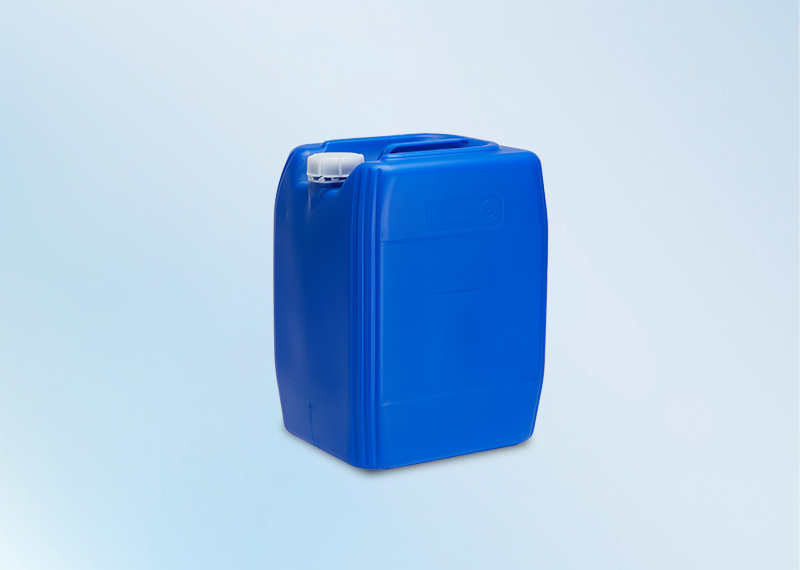
1. Material and Production Process
Q1: What materials are commonly used for 20L plastic barrels? What are the differences?
A1:
- HDPE (High-Density Polyethylene): The most common material, resistant to acids and bases, strong impact resistance, suitable for non-corrosive liquids (such as cleaners, paints).
- PP (Polypropylene): High temperature resistant (up to 100℃), suitable for high-temperature filling or steam sterilization scenarios (such as food, pharmaceutical industry).
- Recycled Material: Some low-cost barrels may contain recycled plastic, which is cheaper but has reduced strength and chemical resistance, so caution is advised.
Q2: What are the differences between injection molding and blow molding processes?
A2:
- Injection Molding: Molded in one go, thicker walls, good sealing, suitable for high-precision small batch production.
- Blow Molding: Formed by blowing air, high production efficiency, low cost, suitable for large batch standard barrel production.
- Beginner Identification: The inner wall of injection molded barrels is smooth without mold lines, while blow molded barrels have mold lines at the bottom.
---
2. Usage Scenarios and Safety
Q3: What chemicals can 20L plastic barrels hold?
A3:
- Can hold: Weak acids/bases (such as dilute hydrochloric acid, sodium hydroxide solution), oils, solvents (material compatibility must be confirmed).
- Cannot hold: Strong oxidizers (such as concentrated sulfuric acid), strong solvents (such as acetone, benzene), which may cause swelling or rupture.
- Key Tip: Be sure to request the supplier's "Chemical Compatibility Table" and conduct actual tests.
Q4: What is the temperature range for use?
A4:
- HDPE Barrel: -20℃~60℃ (brittle at low temperatures, deforms at high temperatures).
- PP Barrel: -10℃~100℃ (can withstand boiling water for a short time).
- Warning: After filling with high-temperature liquids, cool to room temperature before sealing, otherwise the barrel may collapse due to negative pressure.
Q5: Is there a limit to the number of layers that can be stacked?
A5:
- Empty barrels can usually be stacked 3-4 layers, and it is recommended not to exceed 2 layers when filled with liquid.
- Key Factors: Strength of the barrel cap, design of the barrel body reinforcement ribs, weight of the contents.
---
3. Common Quality Issues
Q6: What causes barrel deformation?
A6:
- High-Temperature Deformation: Exposure to sunlight or contact with heat sources causes softening.
- Negative Pressure Deformation: Sealing after hot filling and cooling creates a vacuum inside.
- Overload Deformation: Overloading or stacking too high.
- Solution: Do not fill more than 90% of the barrel's capacity, and avoid storing in high-temperature environments.
Q7: Why does leakage occur?
A7:
- Mismatched Lid: The lid and thread tolerances are too large.
- Seal Ring Defects: Aging, missing, or material not resistant to corrosion.
- Transportation Damage: Cracks caused by dropping or impact.
- Emergency Handling: Small cracks can be repaired with a plastic welding gun, but must be operated by professionals.
Q8: Is it normal for new barrels to have an odor?
A8:
- Normal Phenomenon: New HDPE/PP barrels may have a slight plastic smell, which can dissipate after 2-3 days of ventilation.
- Abnormal Situation: A pungent odor may indicate the use of low-quality recycled materials or additives, and caution should be taken regarding the leaching of toxic substances.
---
4. Procurement and Storage Recommendations
Q9: How to choose a reliable supplier?
A9:
- Check Qualifications: Request the "Food Contact Material License" (if used for food packaging) and third-party testing reports.
- Sample Testing: Test for drop (no cracks from 1.2m height) and stacking (no deformation after 24 hours of static load).
- Look at Details: High-quality barrels will indicate material codes (such as HDPE triangle mark "2"), production dates, and manufacturer information.
Q10: What should be noted for long-term storage?
A10:
- Avoid Light: Ultraviolet rays can accelerate plastic aging, it is recommended to use blackout curtains in warehouses.
- Dryness: Humidity over 70% can easily breed mold (especially in the food industry).
- Isolation: Avoid storing with organic solvents and sharp objects.
Q11: What is the lifespan of a plastic barrel?
A11:
- Regular use: 3-5 years (depending on usage frequency and storage conditions).
- Scrapping signal: If there are obvious signs of brittleness, discoloration (yellowing), or multiple repair marks, it should be stopped immediately.
---
5. Environmental protection and cost optimization
Q12: How to reduce packaging costs?
A12:
- Reuse: The chemical industry can establish a recycling and cleaning system (ensure no cross-contamination).
- Lightweight design: Choose a thin-walled reinforced structure, which can reduce material usage by 10%-15% per barrel.
- Centralized procurement: Ordering more than 1000 at once usually provides a 5%-10% discount.
Q13: How to dispose of discarded plastic barrels?
A13:
- Classified recycling: Cleaned HDPE/PP barrels can be crushed and granulated for recycling.
- Hazardous waste: Barrels that have contained toxic chemicals must be treated as hazardous waste and cannot be discarded on their own.
---
Summary recommendations: New purchasers should focus on material certification, chemical compatibility, and supplier Powered by, strictly follow loading specifications during use, and regularly check the condition of the barrels. If there are any questions, it is recommended to keep the sample of the problem and contact the manufacturer's technical department for analysis in a timely manner.
20L plastic barrel,Common Issues with 20L Plastic Buckets,20L plastic barrel small white issue
CONTACT US
-
Address: No. 5, Torch Avenue, Sino- Europe Industrial Park of Hebei Province, (Zhongjie Huanghua City)
-
Subsidiary Company Address :Workshop 10, Zhongjie Industrial Venture Base, Zhongjie High-Tech Zone, Huanghua, Cangzhou, Hebei Province, China
Tel:400-057-0080
Email:shijiheng@czssjh.com
Tel:0317-5601506
-
Copyright © Hebei Shijiheng Plastics Co.,Ltd.
LINK
-
► About us
► Products
► Partner
► News
► Contact us
PRODUCTS


