
17
2025
-
03
what is an IBC tote tanks?
Overview

IBC tote tanks (Intermediate Bulk Containers) are large-capacity, reusable containers designed for the safe storage and transportation of liquids, semi-liquids, and granulated materials. Widely used across industries such as chemicals, food and beverage, pharmaceuticals, agriculture, and petrochemicals, IBC tote tanks combine durability, efficiency, and compliance with international safety standards. These containers typically 1000 liters in capacity, with materials like high-density polyethylene (HDPE) and stainless steel ensuring compatibility with diverse substances, including hazardous and non-hazardous materials.
Ⅰ、IBC tote tanks Key Features and Design
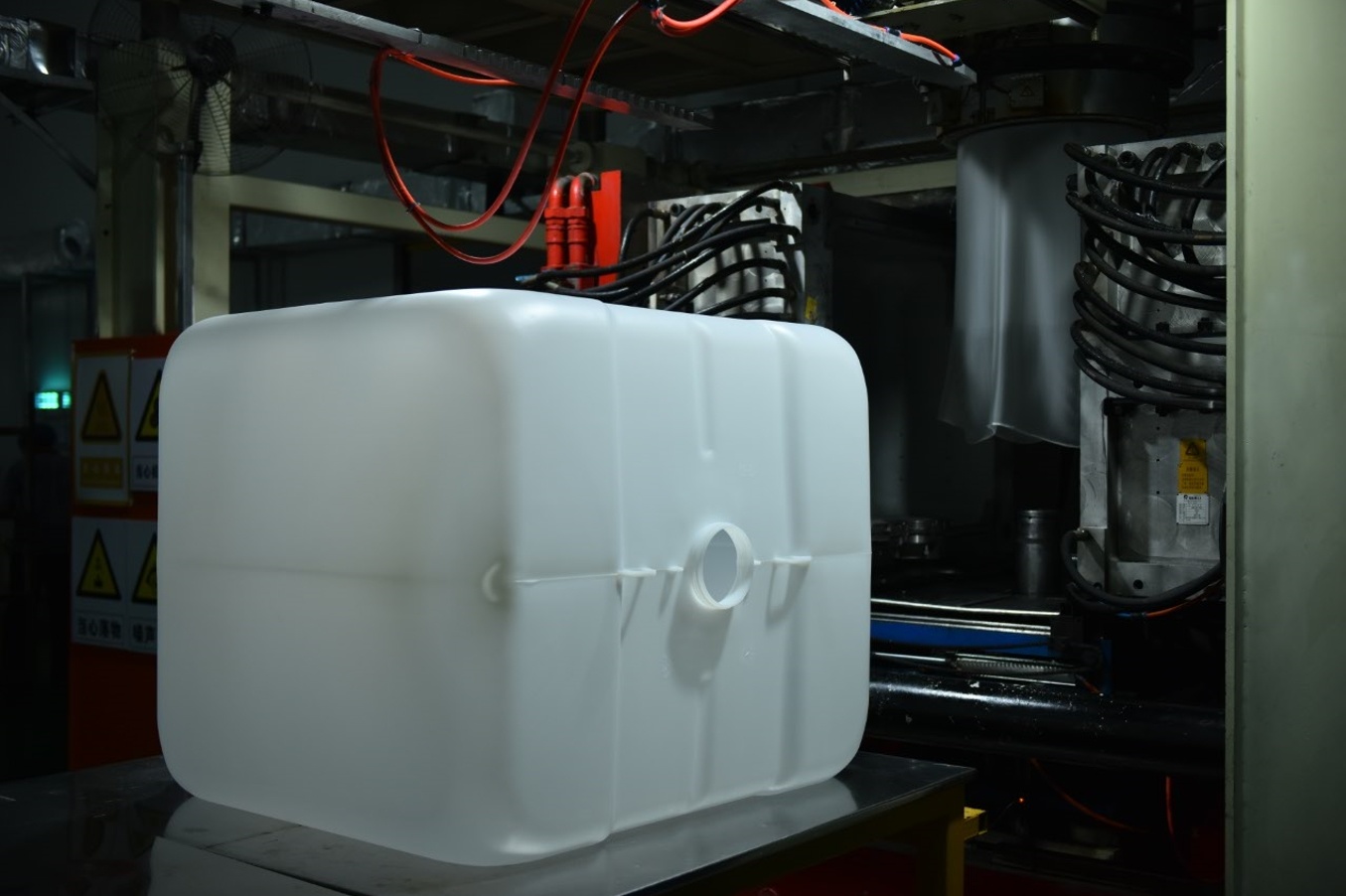
1、IBC tote tanks Material Composition
①HDPE (High-Density Polyethylene):
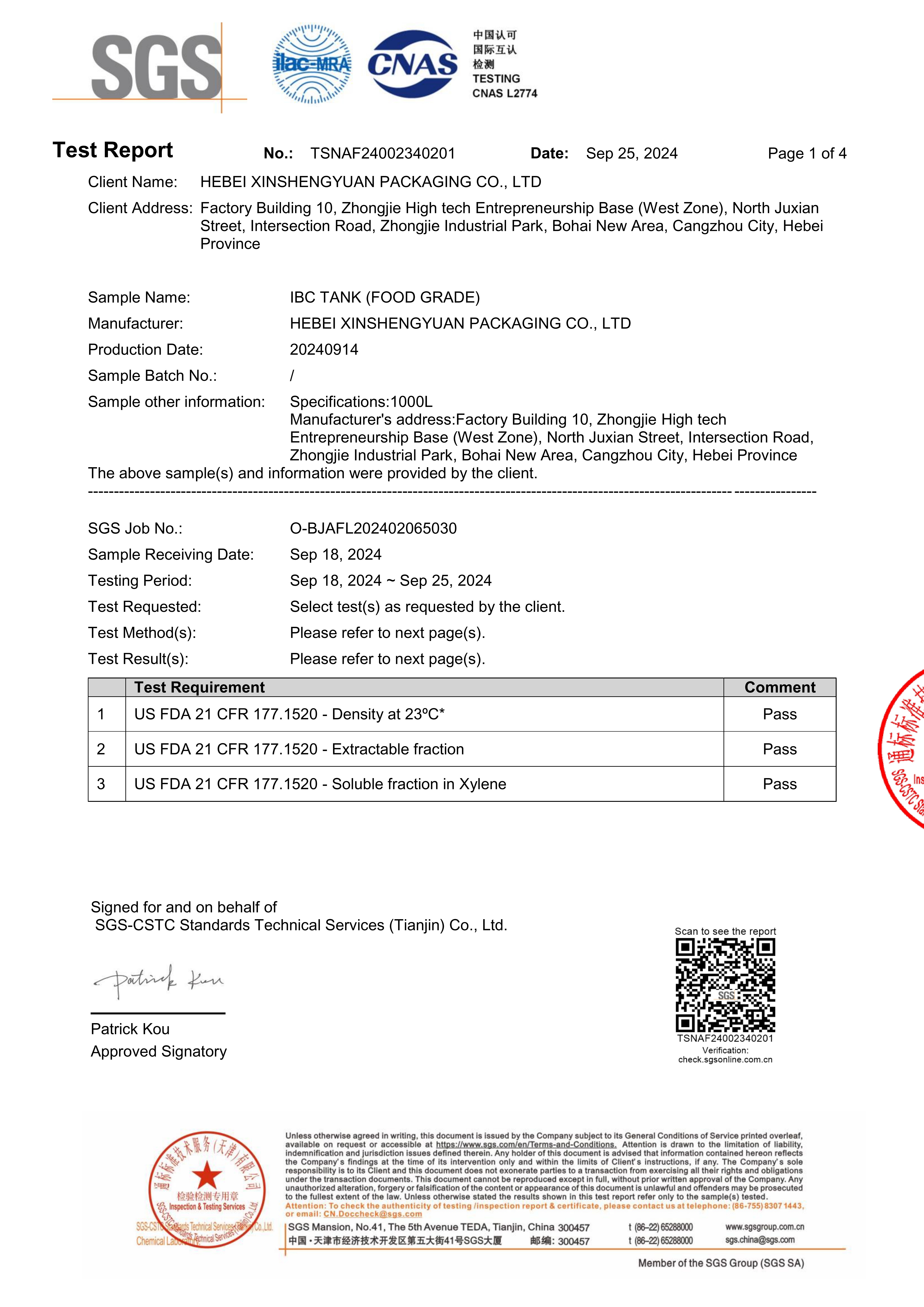
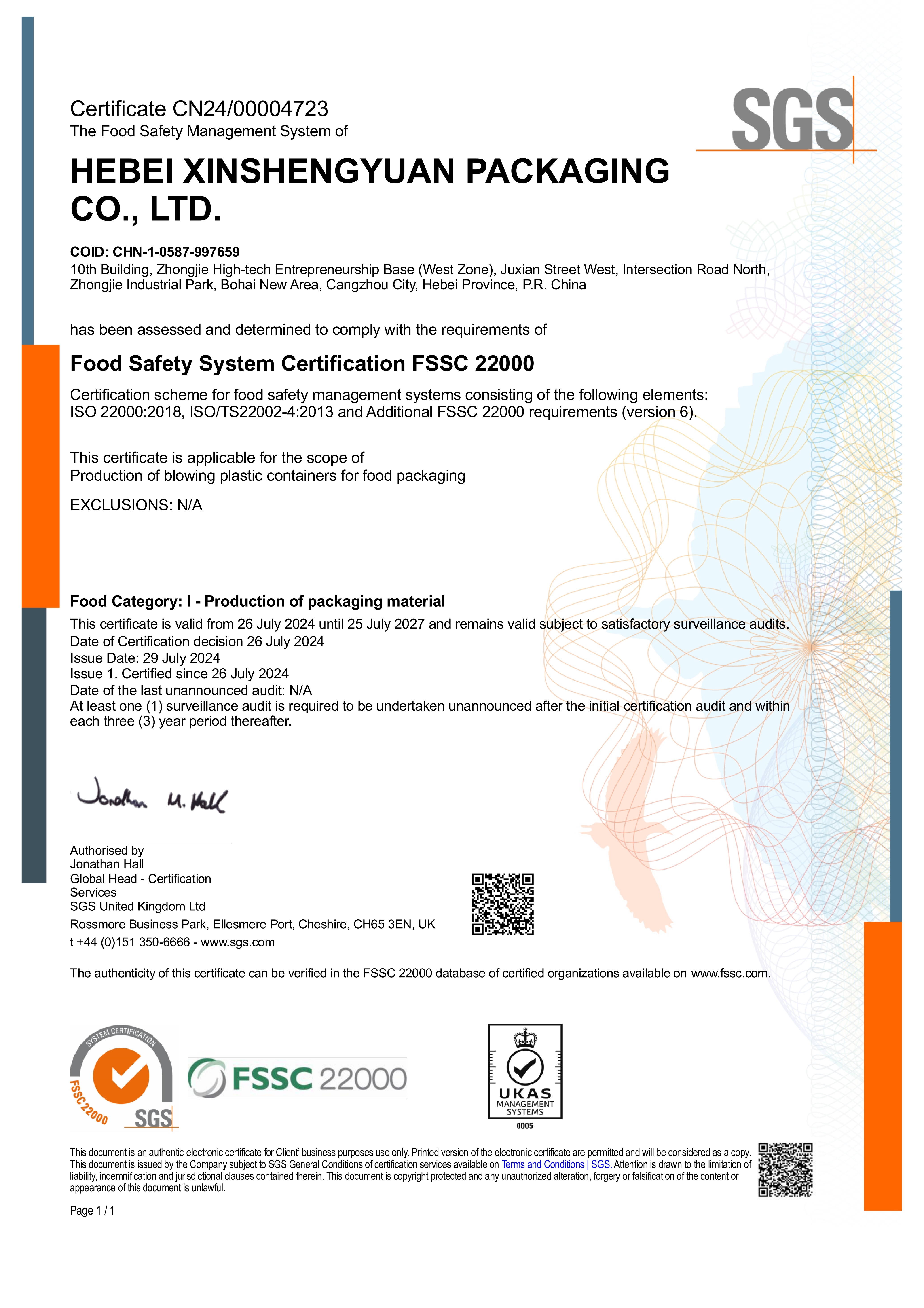
- UV-stabilized, corrosion-resistant, and FDA/ANSI/NSF 61-certified for food-grade and potable water applications.
- Resistant to chemicals and impacts, with a lifespan of 5–20 years under proper maintenance.

②Stainless Steel:
- Ideal for flammable or high-temperature applications, offering superior hygiene and durability. Common grades include 304 and 316L for enhanced corrosion resistance.
2、IBC tote tanks Structural Design

①Integrated Framework:
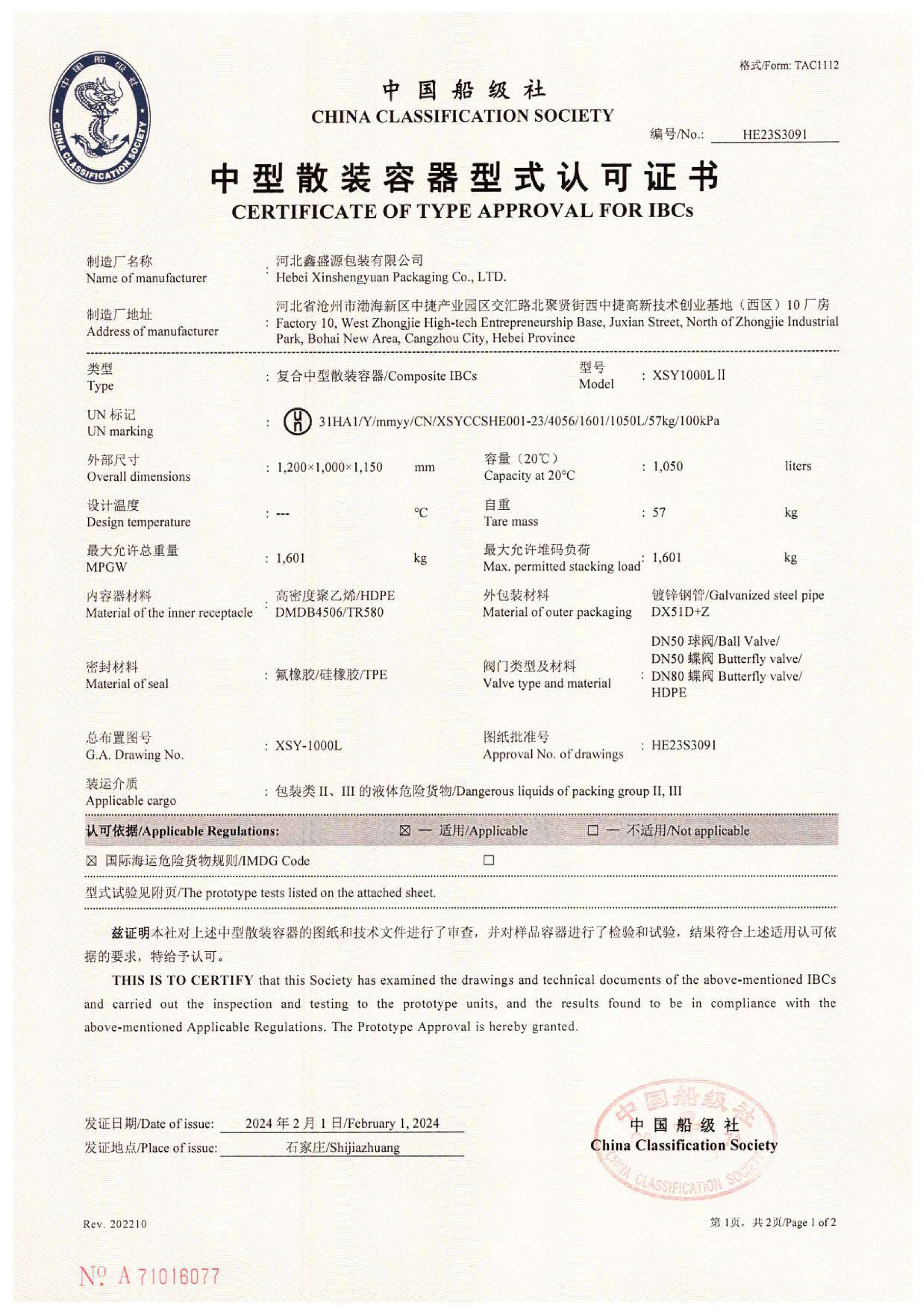
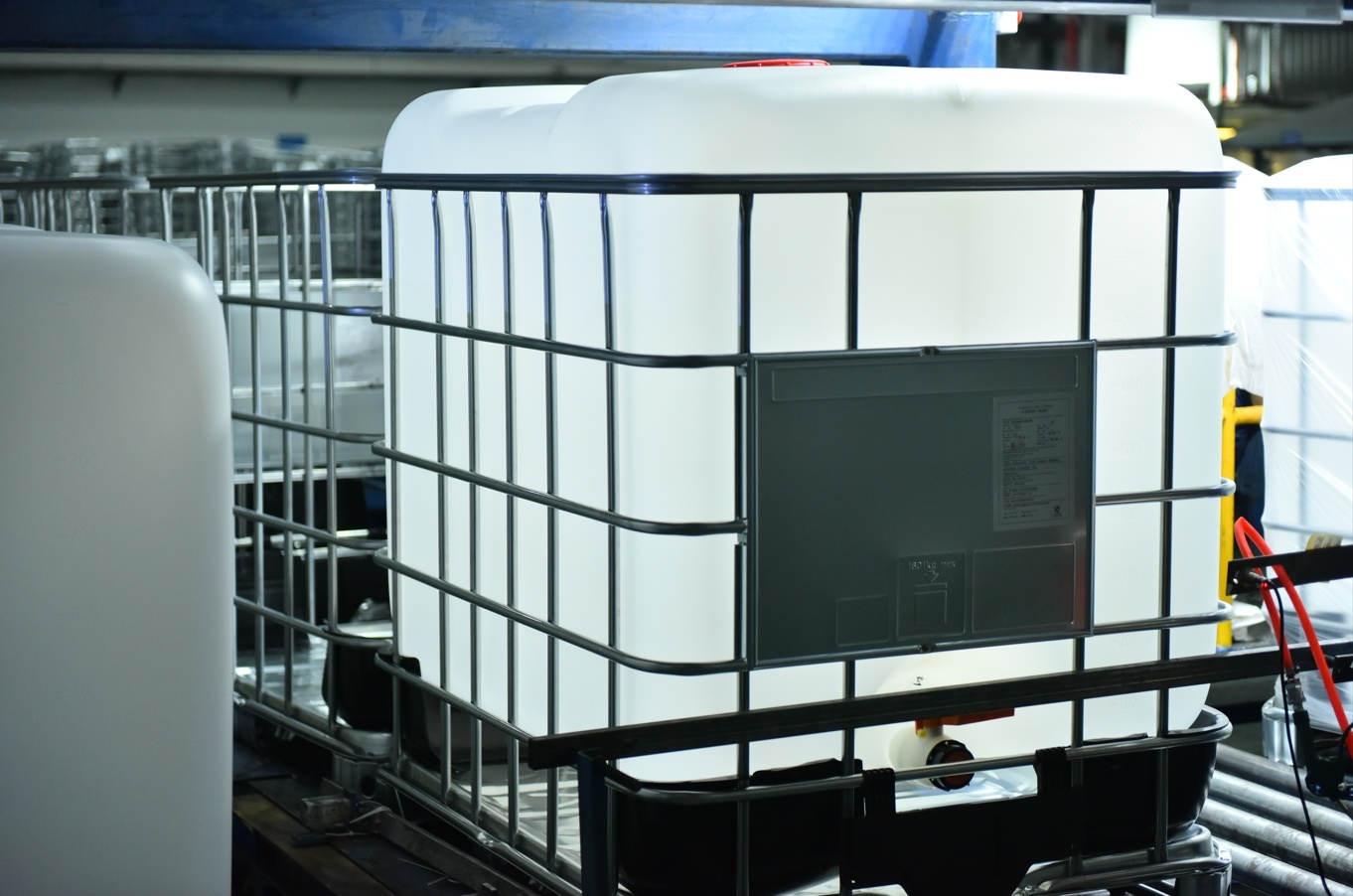
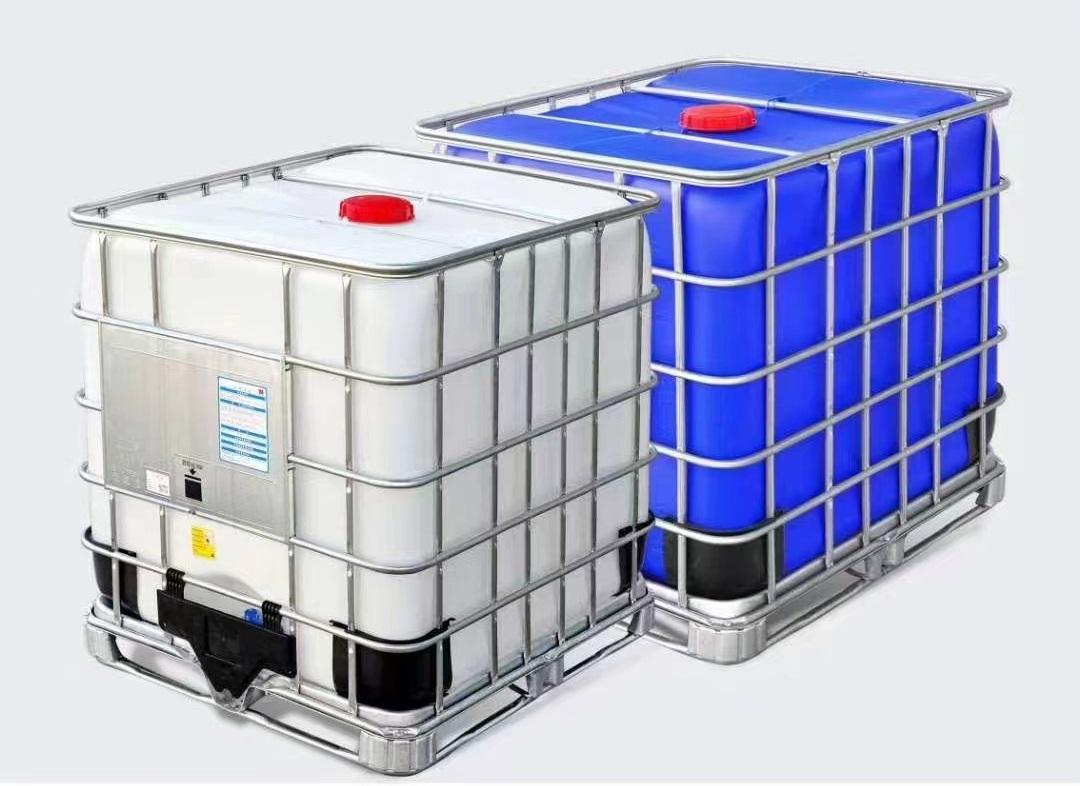
- Exterior galvanized steel or plastic cages provide structural support, protecting the inner container from physical damage.
- Four-way forklift access and stackable design (up to 4 units high) optimize storage and logistics efficiency.
②Functional Components:
- Standardized 2" or 6" ports for filling and drainage, pressure relief vents, and secure screw caps with tamper-evident seals.
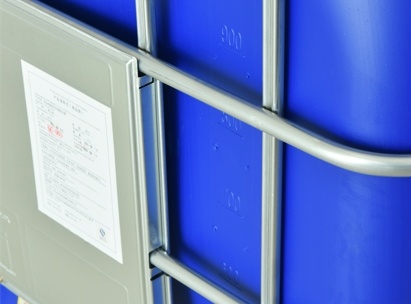
- HDPE containers may include volume markers for easy monitoring.
3、IBC tote tanks Compliance and Safety
- UN/DOT certifications (e.g., UN31HA1, UN31H1) for hazardous material transport under Title 49 CFR.
- Rigorous testing for vibration, stacking, and leakage resistance to meet maritime and industrial standards.
Ⅱ、IBC tote tanks Applications
IBC tote tanks are versatile solutions for:
- Chemicals and Solvents: Safe handling of corrosives, acids, and solvents.
- Food and Beverage: Storage of syrups, oils, and potable water (using food-grade HDPE).
- Pharmaceuticals: Hygienic transport of liquid ingredients.
- Agriculture: Pesticides, fertilizers, and irrigation systems.
- Industrial Use: Lubricants, paints, and adhesives.
Ⅲ、IBC tote tanks Advantages
1、Cost and Space Efficiency
Replaces multiple drums (e.g., one 1,000L IBC equals ~6×55-gallon drums), reducing handling costs and storage footprint.
2、Durability and Reusability
Robust construction withstands extreme temperatures, UV exposure, and mechanical stress.
Reconditionable design supports circular economy practices.
3、Logistics Optimization

Dimensions enable seamless integration with shipping containers (e.g., 20×1,000L units per 20-foot container).
Ⅳ、IBC tote tanks Customization and Accessories
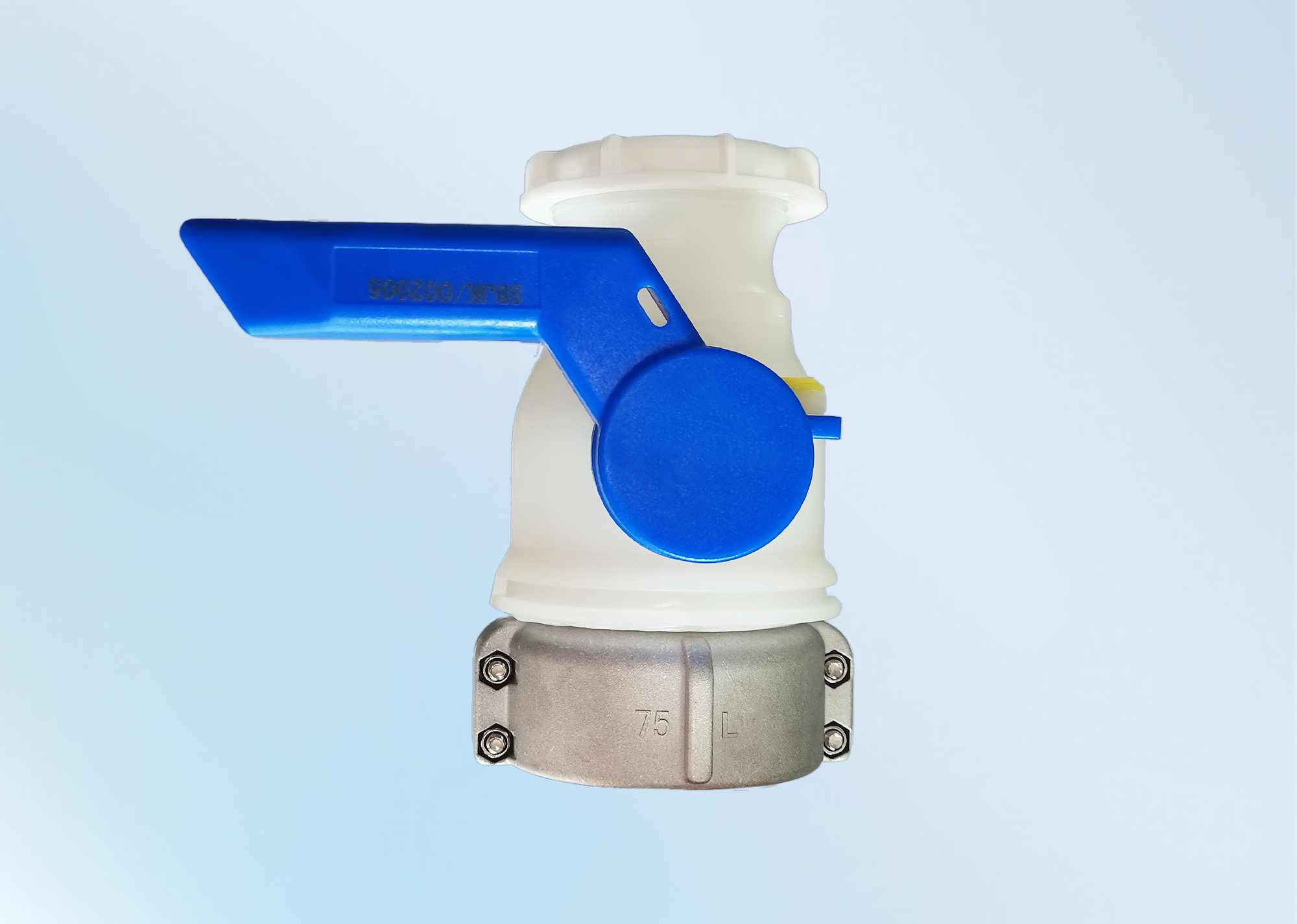
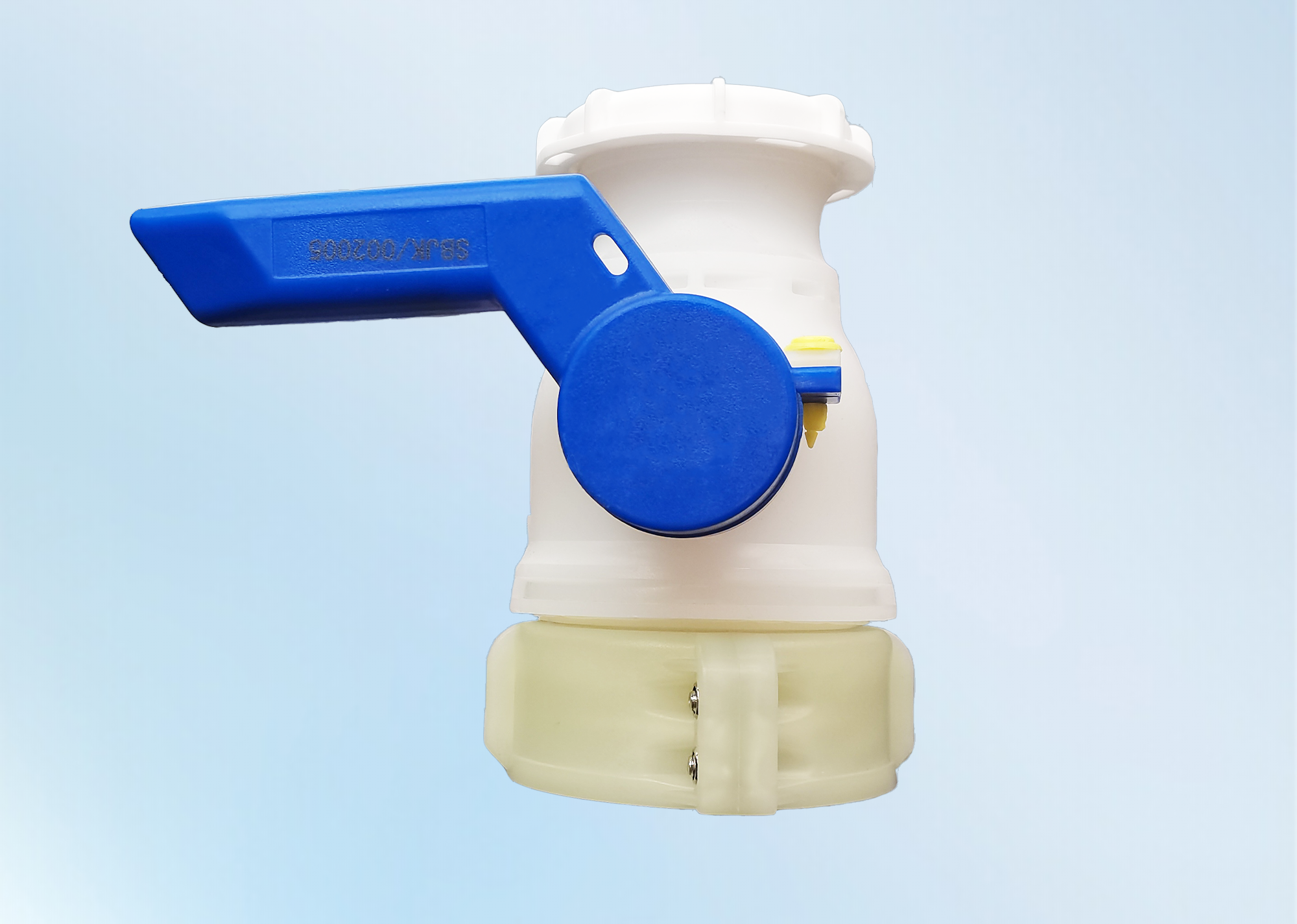
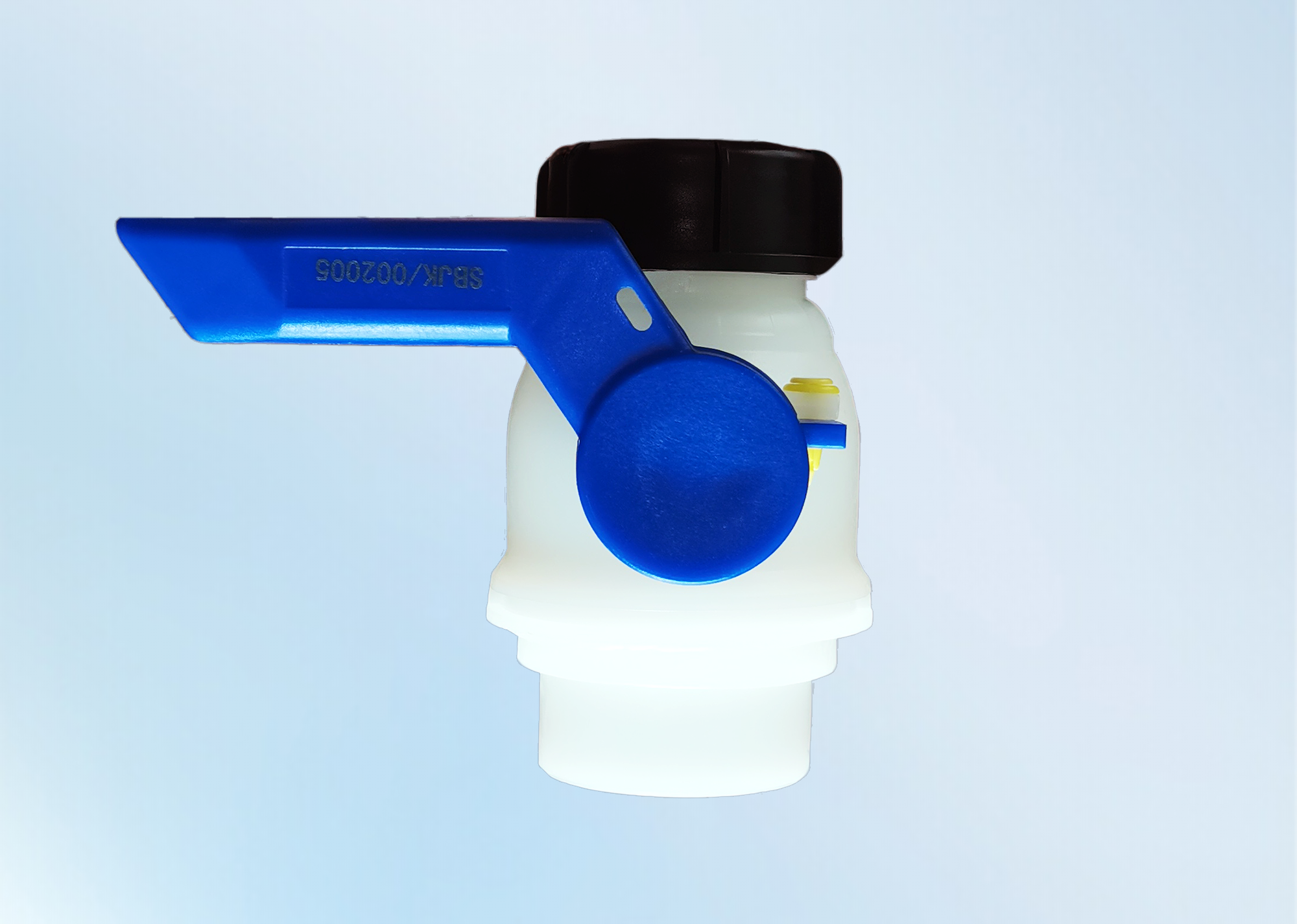
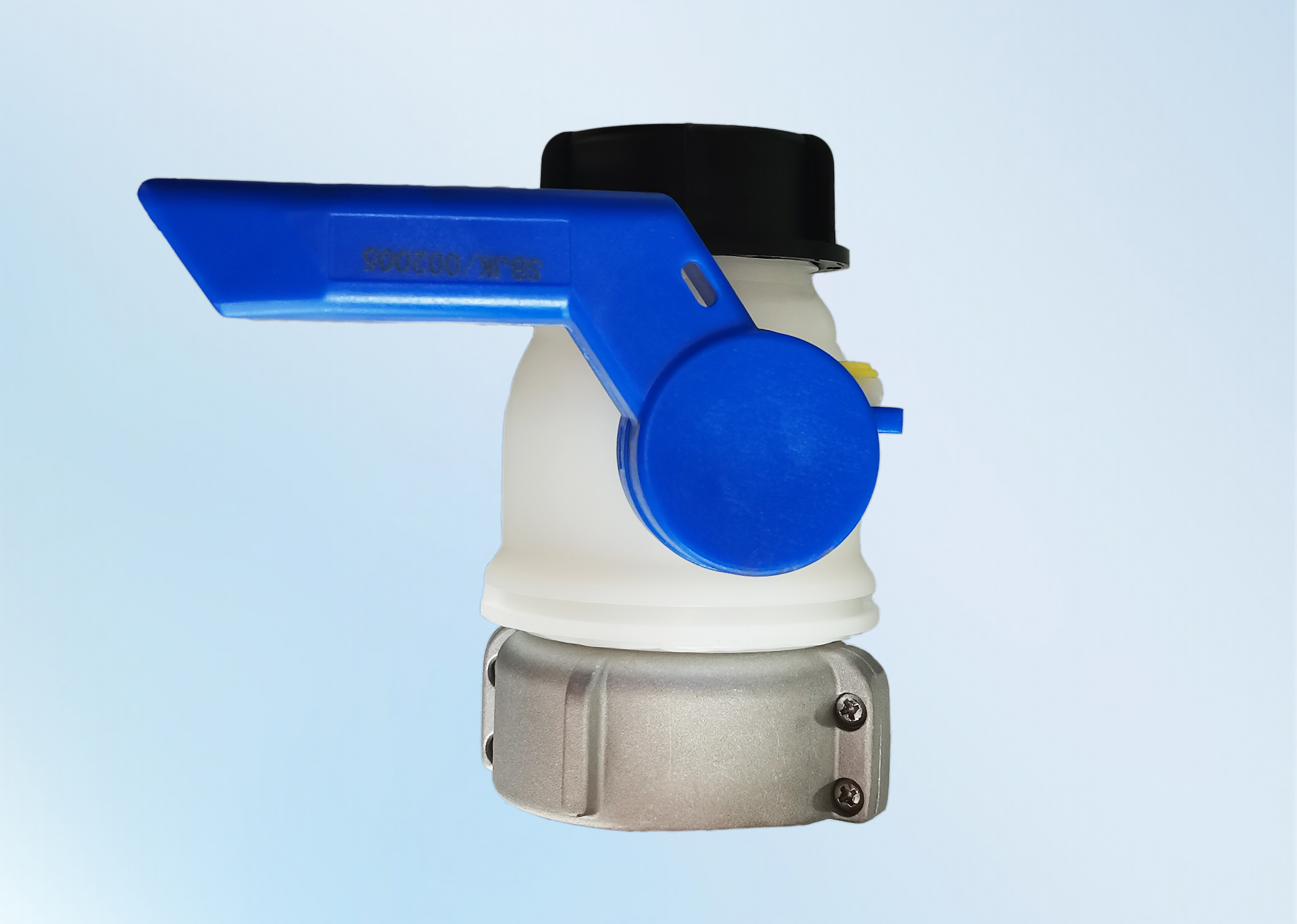
IBC tote tanks valves
Valves: DN50 or DN80 ball valve and butterfly valve.
Ⅴ、IBC tote tanks Sustainability and Maintenance
Regular inspections for wear, leaks, and UV degradation are critical for longevity.
HDPE tanks are recyclable, while stainless steel units offer decades of service with minimal environmental impact.
Conclusion
IBC tote tanks are indispensable for modern industrial logistics, combining regulatory compliance, operational efficiency, and adaptability. Whether for hazardous chemicals or food-grade liquids, their design ensures safe, cost-effective, and sustainable bulk handling solutions.
IBC tote tanks knowledge
How to Find Local IBC Tanks: A Comprehensive Guide

How to Cut Open an IBC Tank: A Step-by-Step Guide for Safe and Efficient Modifications

What Are IBC Tanks Used For? A Comprehensive Guide to Their Versatile Applications

Unlocking the Secrets of IBC Totes Dimensions: A Comprehensive Guide
Unlocking the Mystery of IBC Totes Dimensions: What You Need to Know

Unlocking the Mystery of IBC Totes Dimensions: A Comprehensive Guide

The Ultimate Guide to Finding IBC Totes for Sale Near Me: Tips & Tricks

Unlocking the Mysteries of IBC Totes: Your Guide to Finding Them Nearby

Discovering the Best IBC Totes for Sale Near Me: Your Ultimate Guide

Unpacking the Mysteries of IBC Totes for Sale: Your FAQs Answered!

Unlocking the Versatility of IBC Totes for Sale: Practical Applications Revealed

Finding IBC Totes for Sale Near Me: A Comprehensive Guide

The Versatility of IBC Totes Full Plastic: Applications You Never Knew
Unlocking the Benefits of IBC Totes for Sale: A Comprehensive Guide

Navigating the World of IBC Totes for Sale: Key Considerations

The Versatility of IBC Totes Full Plastic: Applications You Never Knew!
Unlocking the Secrets of IBC Totes Full Plastic: Your Go-To Guide!

The Ultimate Guide to IBC Totes Full Plastic: What You Need to Know!
The Ultimate Guide to Food-Grade IBC tote tanks: Answers to Your Top Questions
Comprehensive Guide to IBC tote tanks: Product Features, Industry Applications & Shipping Guidelines
What are the types of IBC tote tanks?

Detailed Explanation of IBC Totes/tanks Selection and Usage for Beginners
What should be noted during the transportation of IBC tote tanks?
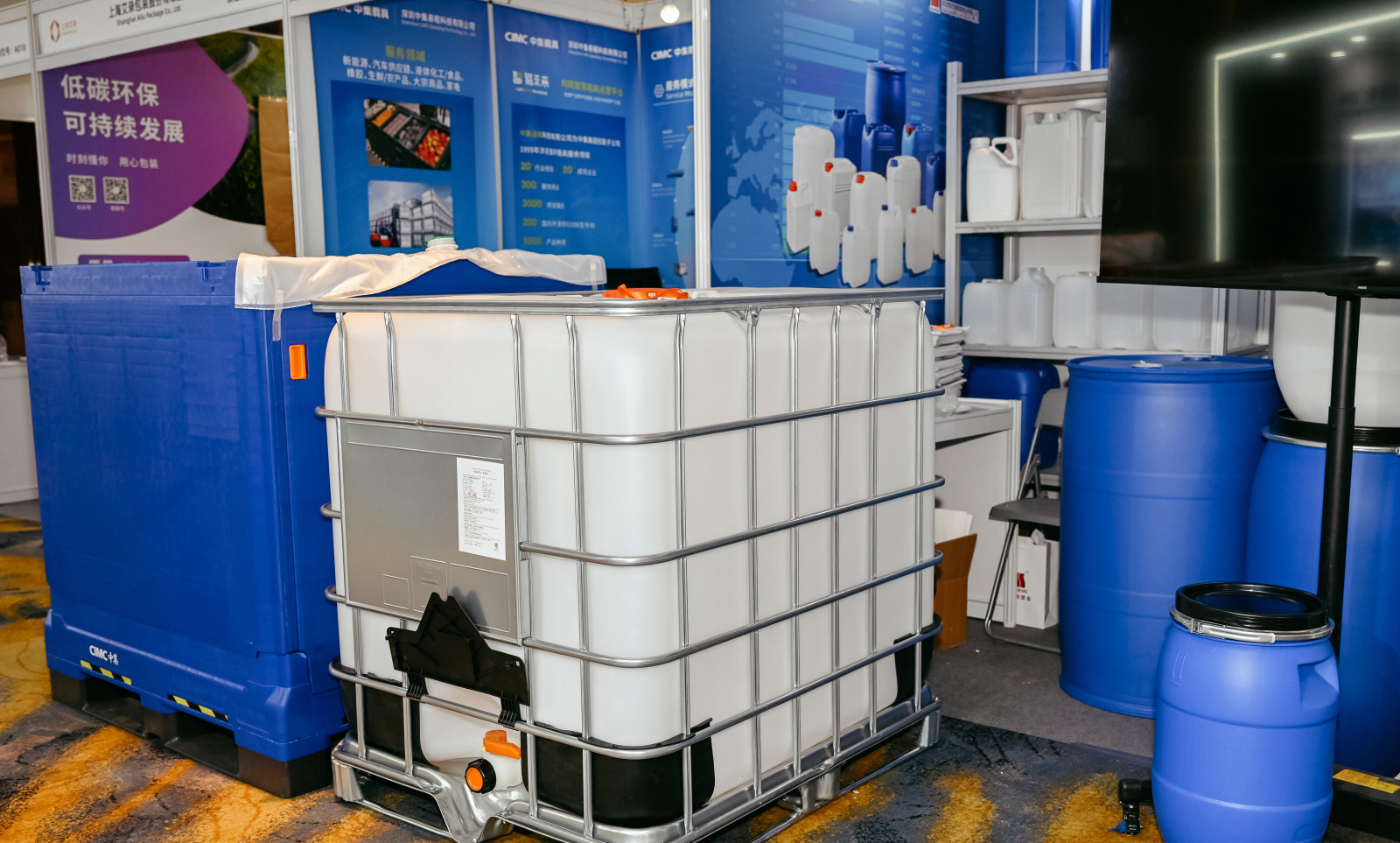
Application of IBC tote tanks in food production
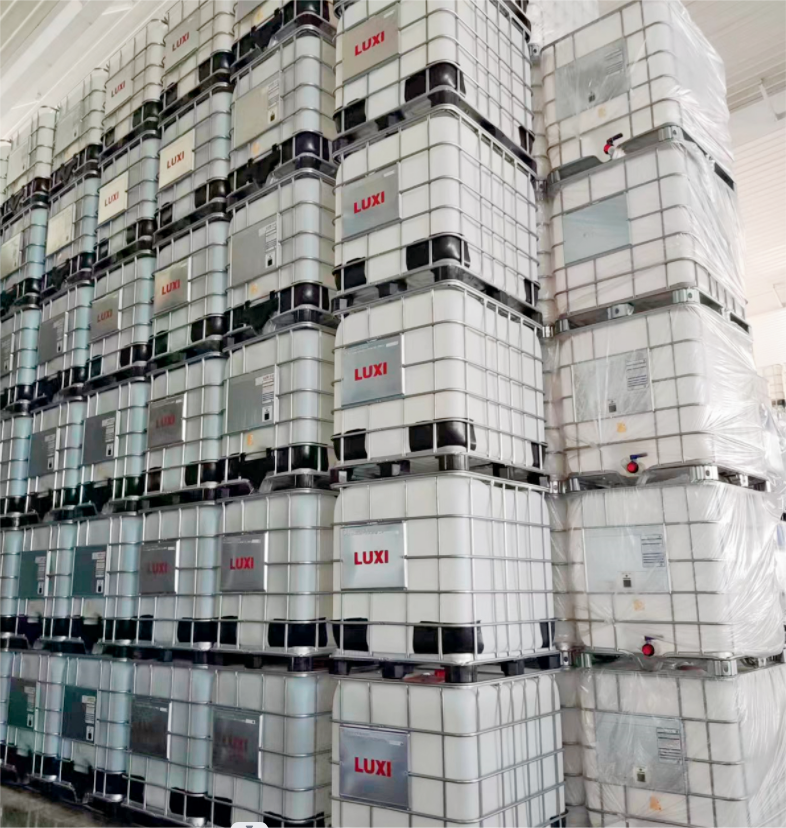
Understanding IBC Tanks: A Guide for Chemical Industry Professionals

How IBC tote tanks Revolutionize the Plastic Drum Industry

How IBC tote tanks Ensure Safe Transportation of Plastic Products
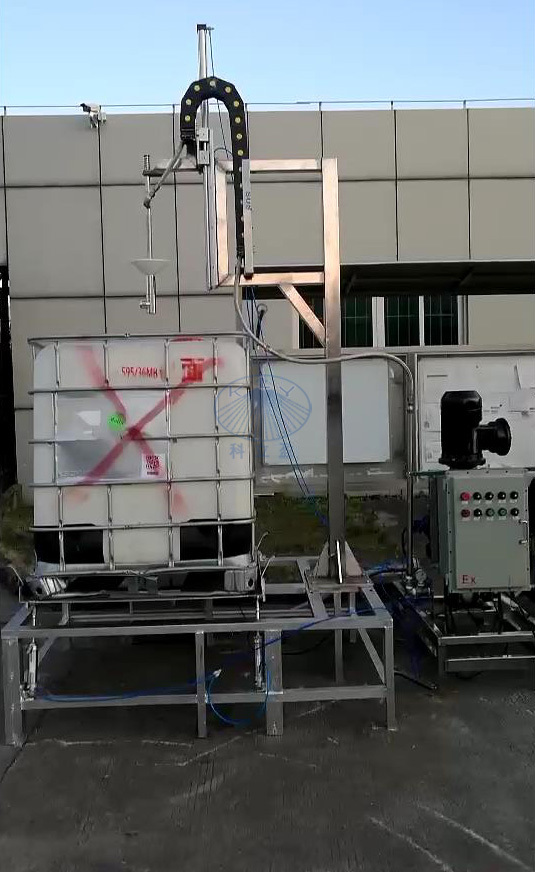
The Benefits of Using IBC tote tanks for Chemical Storage
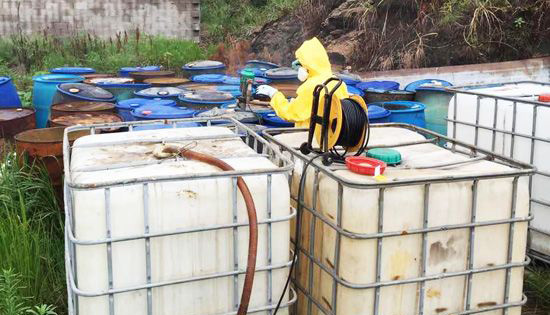
What are the specifications of ton tank? What specifications are commonly used for IBC tote tanks?

How many kinds of materials are there in the IBC tote tanks? What is the difference between them?

what is an IBC tote tanks?,ibc tanks,ibc totes,ibc tote tanks
CONTACT US
-
Address: No. 5, Torch Avenue, Sino- Europe Industrial Park of Hebei Province, (Zhongjie Huanghua City)
-
Subsidiary Company Address :Workshop 10, Zhongjie Industrial Venture Base, Zhongjie High-Tech Zone, Huanghua, Cangzhou, Hebei Province, China
Tel:400-057-0080
Email:shijiheng@czssjh.com
Tel:0317-5601506
-
Copyright © Hebei Shijiheng Plastics Co.,Ltd.
LINK
-
► About us
► Products
► Partner
► News
► Contact us
PRODUCTS


