
19
2025
-
03
How to Find Local IBC Tanks: A Comprehensive Guide
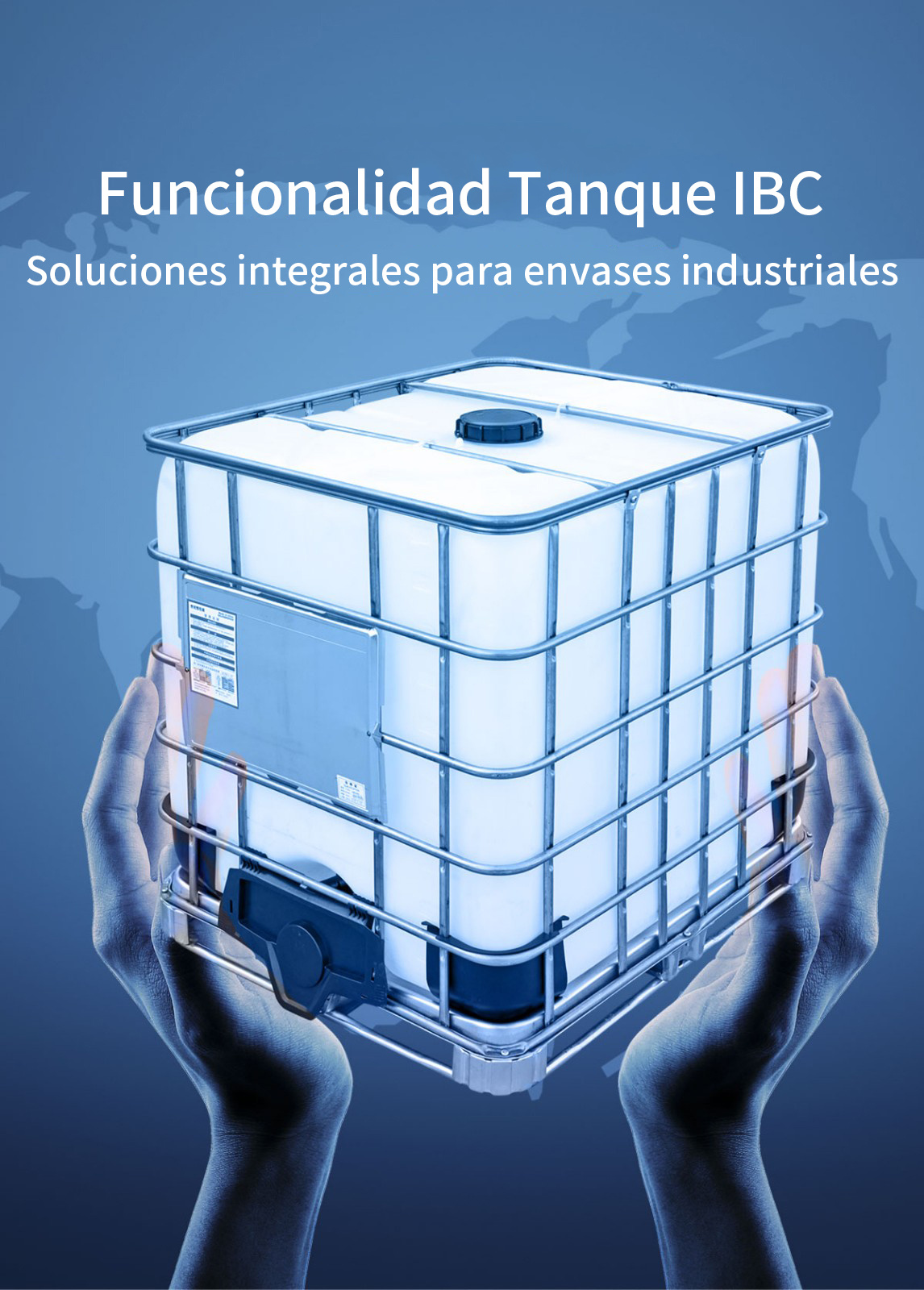
Intermediate Bulk Containers (IBC tanks) are essential for industries ranging from agriculture to pharmaceuticals, offering a cost-effective and durable solution for transporting and storing liquids, chemicals, and semi-solids. If you're searching for local IBC tanks, this guide will walk you through proven strategies to locate reliable suppliers, evaluate options, and make informed purchasing decisions.
1. Understand Your IBC Tank Needs
Before starting your search, clarify your requirements:
Capacity: The capacity of IBC tanks is usually 1000 liters.
Material: Choose between polyethylene (HDPE) for chemical resistance or stainless steel for flammables and high-temperature applications.
Certifications: Chemical transportation requires UN certification, while food transportation requires FDA certification.
If you want to know more about ibc tanks knowledge, you can click here!
2. Leverage Online Search Strategies

Keyword Optimization & Localized Search
Use targeted search terms to narrow results:
“Local IBC tank suppliers near [City]”
“Used IBC totes for sale [Region]”
“UN-certified IBC containers [Industry]”
Please refer to the local business directory, check the addresses of suppliers, and find suppliers that are closer to you.
3. Contact Local Industrial Suppliers
IBC tanks are widely used in oil, chemical, and agricultural sectors. Explore these channels:
Industrial Equipment Dealers: Many local suppliers offer IBC tank rentals or sales.
Chemical & Agricultural Supply Chains: Reach out to regional chemical distributors or agricultural cooperatives, which may stock ibc containers.
4. Explore Industrial Zones and Warehousing Hubs
Industrial clusters and logistics hubs often host IBC suppliers. Examples include:
Petrochemical Parks: IBC tanks are heavily used in oil and gas industries, making these areas prime locations for suppliers.
Warehouse Auctions: Check platforms hosting local storage auctions or liquidation sales for secondhand IBC tanks.
6. Evaluate Used IBC Tanks
Used IBC tanks can reduce costs significantly, but prioritize:
Cleanliness & Certification: Ensure no residual contaminants, especially for food or pharmaceutical use (FDA compliance).
Structural Integrity: Inspect steel cages for rust and plastic tanks for cracks. While HDPE resists corrosion, wear from long-term use is possible.
7. Verify Supplier Credentials
When selecting a supplier, confirm:
Compliance: Legitimate ibc tanks must display UN/DOT certifications and capacity labels (Page 7).
After-Sales Services: Prioritize suppliers offering warranties, cleaning, or refurbishment services.
8. Consider Logistics and Delivery
Due to their large size (standard dimensions: 42″×48″×71″), shipping costs can be high. Tips:
Choose local suppliers to minimize freight expenses.
Confirm if装卸 services are included.
Summary & Action Checklist
Define Requirements: Capacity, material, certifications.
Multi-Channel Search: Combine online keywords with local industrial networks.
check Suppliers: Compliance, reputation, services.
On-Site Inspection: Prioritize condition checks for used tanks.
By following these steps, you’ll efficiently locate local IBC tanks while ensuring a solution tailored to your needs. For further details on specifications and industry applications, consult supplier websites or industry forums.
how to find local ibc tanks,local ibc tanks,find local ibc tanks
Next page
CONTACT US
-
Address: No. 5, Torch Avenue, Sino- Europe Industrial Park of Hebei Province, (Zhongjie Huanghua City)
-
Subsidiary Company Address :Workshop 10, Zhongjie Industrial Venture Base, Zhongjie High-Tech Zone, Huanghua, Cangzhou, Hebei Province, China
Tel:400-057-0080
Email:shijiheng@czssjh.com
Tel:0317-5601506
-
Copyright © Hebei Shijiheng Plastics Co.,Ltd.
LINK
-
► About us
► Products
► Partner
► News
► Contact us
PRODUCTS


