
18
2026
-
09
The Comprehensive Guide to IBC Containers: Types, Specifications, Applications and Safety
Intermediate bulk containers, widely known as IBC containers, are industrial-grade packaging solutions designed for the storage, transport, and handling of bulk liquids, granules, and powders. As a space-efficient and cost-effective alternative to traditional drums and barrels, IBC totes have become a staple across manufacturing, logistics, agriculture, and food processing sectors. This guide breaks down everything you need to know about IBC containers, from their core designs to real-world applications and operational best practices.
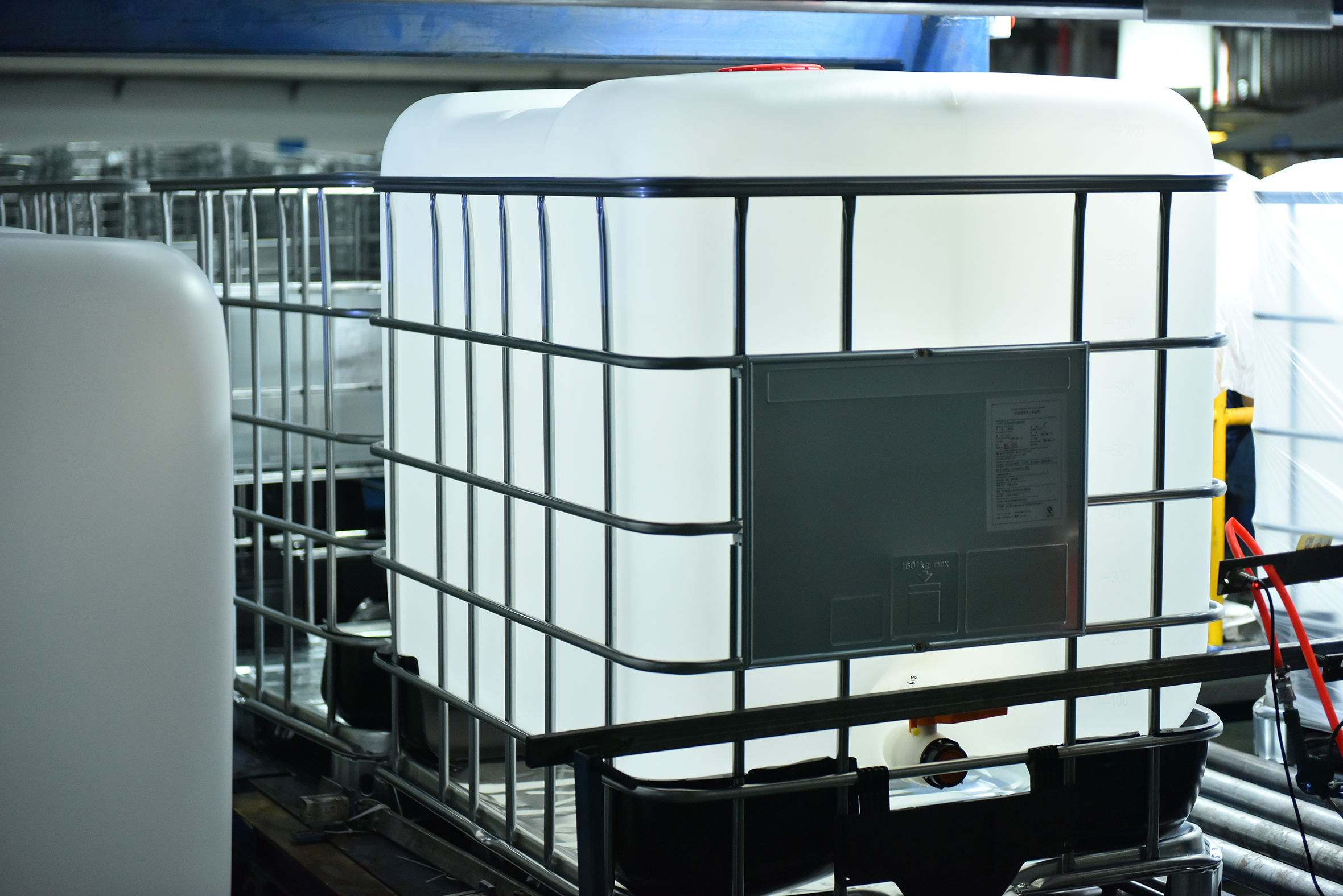
What Is an IBC Container?
An IBC container, short for Intermediate Bulk Container, is a rigid, reusable bulk packaging unit typically mounted on a pallet base for easy forklift and pallet jack access. Unlike standard 55-gallon drums, IBC containers are engineered to maximize storage density while maintaining compatibility with standard shipping and warehousing infrastructure.
Most IBC totes feature a cubic or rectangular shape, which allows them to stack neatly and occupy less floor space per unit of volume than cylindrical containers. Common capacities range from 275 to 330 gallons (1000 to 1250 liters), making them ideal for medium-volume bulk material handling. Their standardized footprint also ensures seamless integration with ISO shipping containers and warehouse racking systems.
Main Types of IBC Containers
IBC containers are categorized by their construction material and design, each tailored to specific content types and operating conditions.
Plastic IBC Containers (HDPE)
Constructed from high-density polyethylene (HDPE), plastic IBC containers are the most widely used type due to their lightweight build, corrosion resistance, and affordability. Food-grade HDPE IBCs meet FDA and EU food contact standards, making them suitable for storing edible oils, syrups, water-based ingredients, and dairy products.
They are also commonly used for non-corrosive chemicals, detergents, and agricultural fertilizers. Most plastic IBCs feature a galvanized steel outer frame for structural support and impact protection, balancing durability with low total cost of ownership.
Stainless Steel IBC Containers
Stainless steel IBC containers are designed for heavy-duty and high-purity applications. Built from 304 or 316 stainless steel, they offer exceptional resistance to corrosive chemicals, high temperatures, and pressure. These containers are the preferred choice for pharmaceutical manufacturing, fine chemical processing, and high-temperature food production, where product purity and sanitation are critical.
Stainless steel IBCs are fully reusable and easy to sterilize, though they come with a higher upfront cost. Their long service life and ability to handle harsh materials make them a cost-effective long-term investment for specialized industries.
Composite IBC Containers
Composite IBC containers combine a plastic inner liner with a rigid outer cage (usually steel or wire mesh) and a pallet base. This hybrid design balances lightweight performance with structural durability, making it the most common configuration for general-purpose bulk storage.
The replaceable inner liner extends the service life of the outer frame, reducing long-term operational costs. Composite IBCs are versatile enough for water, chemicals, and dry goods, and are widely used in distribution and third-party logistics.
Standard IBC Container Dimensions & Capacities
Most IBC containers follow ISO standard dimensions to ensure compatibility with global logistics systems, standard pallets, and warehouse racking.
The most common 1000-liter (275-gallon) IBC container has standard external dimensions of approximately 1200 mm (length) × 1000 mm (width) × 1150 mm (height), matching the footprint of a standard European pallet. A 1200-liter (330-gallon) variant shares the same base dimensions but increases height for extra volume.
Key dimensional benefits include:
- Uniform footprint for consistent stacking and shipping
- Forklift access from all four sides on most models
- Stackability of up to 3–4 units when fully loaded (depending on design)
- Compatibility with standard ISO shipping containers
Key Industries and Uses for IBC Containers
The versatility of IBC containers makes them indispensable across a wide range of industries.
- Chemical Industry: Storage and transport of solvents, surfactants, acids (in compatible materials), and industrial chemicals. UN-certified IBC containers are required for hazardous material shipping.
- Food & Beverage: Bulk storage of liquid sugar, vegetable oils, fruit juices, wine, and food additives. Food-grade IBCs ensure sanitary conditions and compliance with food safety regulations.
- Pharmaceutical & Cosmetics: Handling of raw materials, bulk ingredients, and sterile solutions where contamination control is essential.
- Agriculture: Storage of liquid fertilizers, pesticides, herbicides, and animal feed supplements.
- Waste & Water Treatment: Collection and transport of wastewater, sludge, and industrial effluents.
How to Choose the Right IBC Container
Selecting the appropriate IBC container depends on your specific application, material properties, and regulatory requirements. Consider these critical factors:
- Material Compatibility: Verify that the container material is chemically compatible with your stored substance to prevent degradation, leakage, or contamination.
- Regulatory Certifications: For food products, ensure FDA or EU food contact approval; for hazardous goods, select UN-certified IBC containers that meet dangerous goods shipping standards.
- Capacity & Space: Calculate your volume requirements and available warehouse space to choose between 275-gallon, 330-gallon, or custom sizes.
- Temperature Range: For extreme hot or cold conditions, select a container rated for the required temperature range; stainless steel models offer the widest temperature tolerance.
- Reusability: If you plan to reuse the container, prioritize durable, cleanable designs with replaceable parts to lower total cost of ownership.
Safety and Maintenance Best Practices
Proper handling and maintenance are essential to maximize the lifespan of your IBC container and ensure workplace safety.
- Inspect Regularly: Check for cracks, dents, leaks, and frame damage before each use, especially when transporting hazardous materials.
- Follow Stacking Guidelines: Never exceed the manufacturer’s maximum stacking load to avoid structural failure.
- Clean Thoroughly: For multi-product use, follow proper cleaning protocols to prevent cross-contamination. Food-grade IBCs require dedicated cleaning procedures.
- Vent Properly: Ensure pressure relief valves are functional to prevent buildup of internal pressure from temperature changes or chemical reactions.
- Dispose Responsibly: When an IBC container reaches the end of its service life, recycle it through approved industrial plastic or metal recycling programs rather than sending it to landfill.
Conclusion
IBC containers remain one of the most efficient and versatile bulk packaging solutions for modern industrial operations. By understanding the different types, dimensions, and application-specific requirements, businesses can select the right IBC tote to improve logistics efficiency, reduce packaging costs, and maintain compliance with safety and regulatory standards. Whether you need a food-grade HDPE unit for edible products or a stainless steel model for corrosive chemicals, there is an IBC container designed to meet your bulk storage and transportation needs.
ibc container,ibc container types,ibc container dimensions,ibc container uses,food grade ibc container,ibc container capacity,reusable ibc containers
CONTACT US
-
Address: No. 5, Torch Avenue, Sino- Europe Industrial Park of Hebei Province, (Zhongjie Huanghua City)
-
Subsidiary Company Address :Workshop 10, Zhongjie Industrial Venture Base, Zhongjie High-Tech Zone, Huanghua, Cangzhou, Hebei Province, China
Tel:400-057-0080
Email:shijiheng@czssjh.com
Tel:0317-5601506
-
Copyright © Hebei Shijiheng Plastics Co.,Ltd.
LINK
-
► About us
► Products
► Partner
► News
► Contact us
PRODUCTS


